Geoffrey Zhang, BS
Medical Student
Drexel University College of Medicine
Philadelphia, Pennsylvania, United States
Kunal Damaraju, BS
Medical Student
Rowan Virtua SOM
Voorhees, New Jersey, United States
Aarti Mehta, BS
Medical Student
Rowan Virtua SOM
Scarsdale, New York, United States
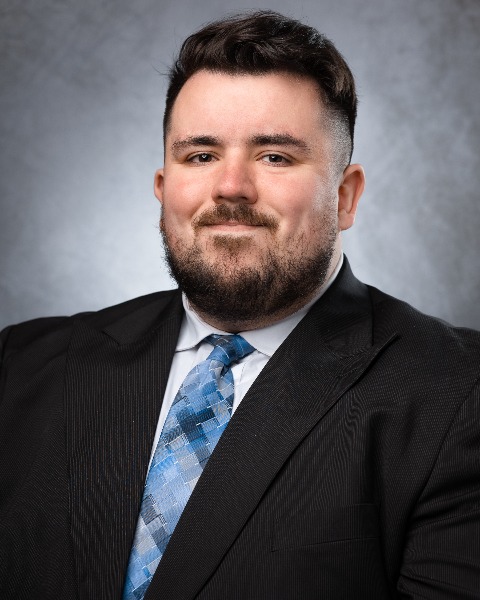
Nicholas J. Averell, DO
Resident Physician
Temple PMR
Williamstown, New Jersey, United States
Behnum Habibi, MD (he/him/his)
Assistant Program Director, Physical Medicine & Rehabilitation
Lewis Katz School of Medicine at Temple University
Philadelphia, Pennsylvania, United States
For this narrative review, keyword searches with regenerative medicine and racial disparities were used across Pubmed and Embase to find articles within the past 10 years (2014-2024). “Grey” literature was included so long as it met the above criterion. A manual review of the articles was performed to find pertinent articles that were related to the research aim.
Results:
Relevant studies (n=21) were identified and revealed three key themes: underrepresentation in research, limited access to treatments, and differing outcomes from treatment. Research is dominated by cell lines from White donors, limiting the diversity needed to represent different populations for optimizing treatment effectiveness. Low-income minorities face barriers such as insufficient insurance coverage, travel costs, and referral biases, reducing their access to treatments and clinical trials. Furthermore, minorities tend to experience poorer outcomes, including lower survivability rates after regenerative treatments, particularly in marginalized areas.
Conclusions: Inequities within regenerative medicine results from the complex intersection of racial, socioeconomic, and cultural factors. Notably, an underrepresentation of minority groups within research, limited access to treatments, and unequal outcomes continues to perpetuate disparities in this rapidly advancing field. In order to address these differences, more inclusive clinical trials are required to tailor treatment to specific populations. Additionally, an increased awareness and creative solutions to access barriers will reduce the gap seen in diverse populations seeking regenerative medicine.