Claudia I. Martinez, MD
Spinal Cord Injury Fellow
TIRR Memorial Hermann/ UTHealth in Houston
Houston, Texas, United States
Isaac Hernandez Jimenez, MD
Associate Professor
Isaac Hernandez Jimenez, MD McGovern Medical School at UT Health, The Institute of Rehabilitation and Research (TIRR) Memorial Hermann
Houston, Texas, United States
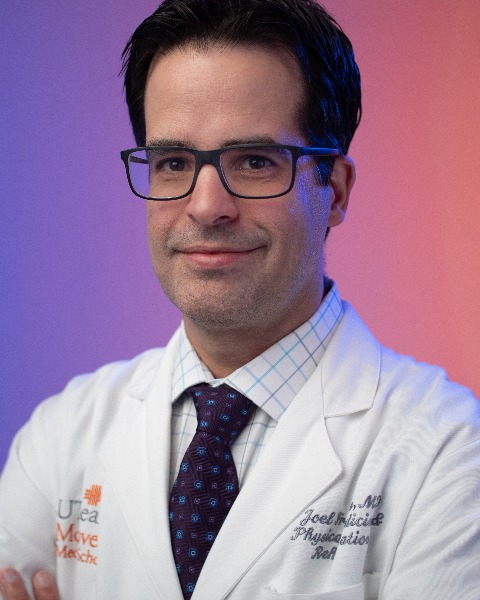
Joel E. Frontera, MD
Professor and Vice Chair Education
McGovern Medical School at UTHelath Houston
Houston, Texas, United States
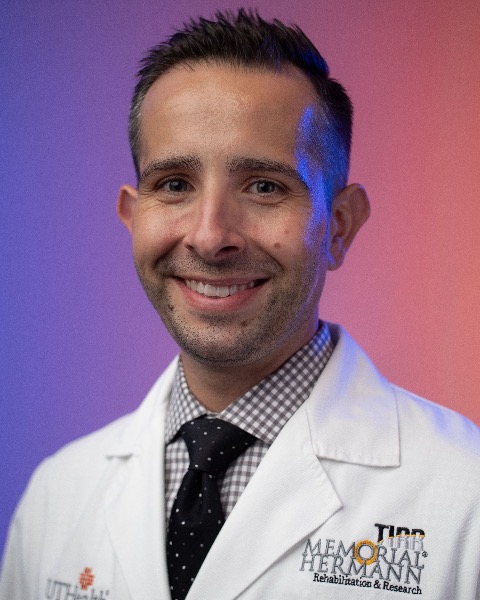
Nikola Dragojlovic, DO (he/him/his)
Associate Professory and Residency Program Director
McGovern Medical School at UTHealth PM&R
Houston, Texas, United States
Despite calls for disability inclusion in healthcare, individuals with disabilities remain underrepresented in medicine. This case report is one of the first to outline accommodations received by a resident physician for physical disability. During her second year of medical school, a 26-year-old Hispanic female sustained cervico-medullary stroke while undergoing brainstem detethering operation for Chiari malformation and Hydrocephalus. This resulted in tetraparesis, decreased sensation, decreased proprioception, reduced manual dexterity, dysautonomia, neurogenic bladder and bowel, spasticity, dysphagia and gastroparesis (requiring 24 hour continuous enteral nutrition via GJ feeding tube and 24 hour continuous-intravenous hydration via port-a-cath). She took one year of medical leave for rehabilitation.
After implementation of accommodations, she successfully completed medical school. She transitioned into PM&R Residency with the same accommodations in place: double test-taking time, standing not to exceed 2 hours, mobile electronic dictation device and services, preference in call schedule, personal otoscope and ophthalmoscope with hand grips, clinical duties at main site (no extended commuting), accessible parking and alternative teaching mechanisms (i.e. videos in lieu of entering operating room due to continuous artificial nutrition to maintain sterility). As new challenges arouse during residency, she worked with the Program Director, University Relations and Equal Opportunity and 504 coordinator. The following accommodations were added: virtual participation in didactics, clinical duty hours 9am-3pm, post-call day off, assistance performing procedures, no stairs, exempt from treating COVID patients due to immunosuppression, stool for fluoroscopic procedures due to weight of lead, use of assistive device (i.e. wheelchair). As her health status changed, accommodations were adjusted.
With accommodations, she successfully completed residency and matched to Spinal Cord Injury Fellowship. Outlining accommodations received by trainees can be a first step in successfully integrating those with disabilities in medical education.