Eduardo Bauer, MD
Research Assistant II
UTHealth Houston
Houston, Texas, United States
Samantha Franklin, BS
Graduate Student
Texas A&M University
Bryan, Texas, United States
Alexa M. Ryder, MD, MBA
PM&R Resident
University of Texas Health Science Center at Houston
Houston, Texas, United States
Nadia A. Zamany, BS
Research Assistant I
UTHealth Science Center at Houston
Houston, Texas, United States
Jessica R. Galloway-Pena, PhD
Assistant Professor
Texas A&M University
College Station, Texas, United States
Cedric Geoffroy, PhD
Associate Professor
Texas A&M University
Bryan, Texas, United States
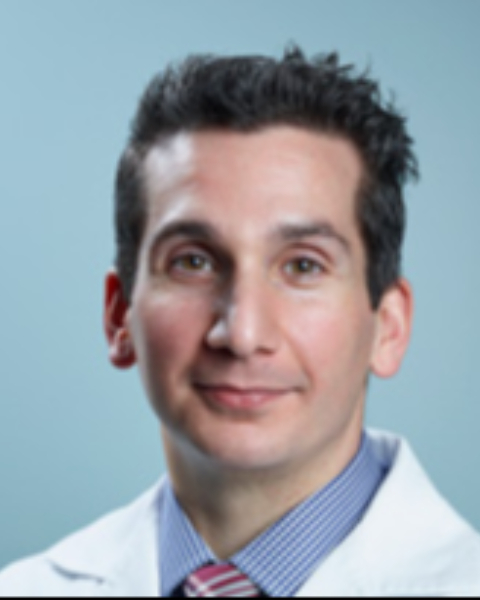
Argyrios Stampas, MD
Associate Professor/Spinal Cord Injury Medicine Research Director
UTHealth at Houston McGovern Medical School
Houston, Texas, United States
Adult patients with SCI living with their caregivers in the community were recruited, excluding those with confounding factors that could alter nasal microbiota, such as smoking, recent antibiotic use, intranasal medication, or nasal/sinus pathology.
Nasal swabs were collected following a standardized protocol, and environmental swabs were collected to account for environmental contaminants. Samples were sent for bacterial sequencing.
Results:
A total of 111 swabs were collected: 53 from people with SCI, 26 from caregivers, and 32 environmental controls. The total sample included 43 (54%) males, with 27 (51%) tetraplegia among the SCI group. Injury levels were categorized into conventional levels (C1-C4, C5-C8, T1-T9, T10-Below) and physiologic levels (C1-C8, T1-T4, T5-T8, T9-Below). Initial analysis revealed significant differences in beta-diversity among patient, caregiver, and environmental samples (p=0.001) and observed operational taxonomic units (OTUs) (p< 0.001). Further analysis showed significant differences in alpha diversity at physiologic levels of injury, specifically between C1-C8 and T5-T8 groups.
Conclusions:
The collection of nasal microbiome samples was robust and without adverse events. Preliminary data highlights significant differences in nasal microbiome diversity between patients and caregivers. Notably, significant variations in alpha diversity were observed at injury levels categorized by impact to the nasal mucosa, but not based on typical SCI neurologic level stratification. These findings suggest that the nasal microbiome's diversity varies with injury level relevant to the nasal mucosa, and could influence infection risk. The results underscore the complexity of microbial interactions and the potential clinical implications. Further research is needed to understand these relationships better. Identifying microbial profiles through minimally invasive swabs has the potential to provide valuable insights for clinical decisions, treatment strategies, and future research.