Akinchita Kumar, MS, MSPH
Student
AOCPMR
ocala, Florida, United States
Ryan B. Keller, BA
Osteopathic Medical Student
Burrell College of Osteopathic Medicine
Chicago, Illinois, United States
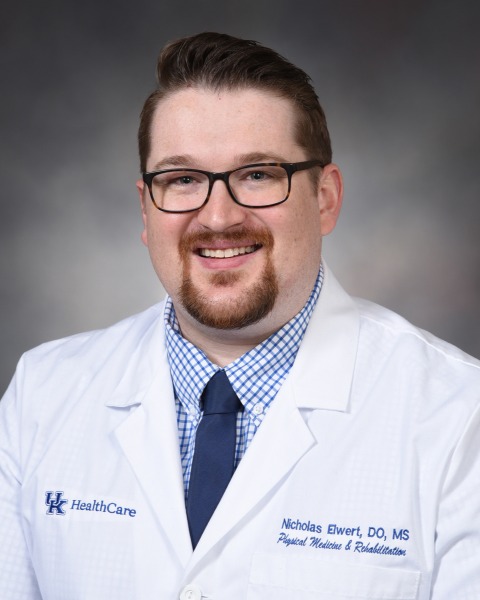
Nicholas C. Elwert, DO
Assistant Professor
University of Kentucky
Lexington, Kentucky, United States
Of the 73 respondents from 24 osteopathic schools who participated, 38 were in pre-clerkship, and 35 were in clerkship. Of these, 44 had prior knowledge of PM&R. Interest sources included pre-med experiences (16), faculty (14), and social media (9). Sixty-six respondents had a PM&R interest group, and many belonged to national organizations: 50 in AOCPMR, 24 in AAP, and 22 in AAPM&R. Twenty-four had attended a national PM&R conference, with cost (30) and travel (21) being the main barriers. Thirty-one respondents reported PM&R opportunities at their schools (e.g., lectures and shadowing). Forty-six knew alumni who matched in PM&R. Forty-five participants had PM&R-trained faculty, translating to only 17 students with PM&R-related research experience. Interest in additional PM&R resources was high, with 33 students desiring an increase in all surveyed resources. This study reveals significant variability in PM&R exposure among osteopathic medical students, with many lacking access to crucial resources like mentorship and rotations. Early exposure to PM&R is vital for securing competitive residency spots and developing mentor relationships. Only 31 of 73 respondents reported available PM&R experiences, highlighting the need for a more consistent educational approach. Integrating PM&R into medical curricula and enhancing access to trained faculty and lectures is essential. National organizations should establish structured mentorship programs and financial support for professional development to ensure a representative and well-prepared applicant pool in PM&R.
Conclusions: