Elsa Snider, MPH
Medical Student
KCOM-ATSU
BRENTWOOD, Missouri, United States
Christine Y. Gou, MD (she/her/hers)
Resident Physician
Barnes Jewish Hospital
St. Louis, Missouri, United States
Adriana Martin, JD, MS
Senior Clinical Research Coordinator
Washington University in St. Louis
Creve Coeur, Missouri, United States
Katelyn E. Ito, BA
Student
Washington University in St. Louis
Redlands, California, United States
.jpg "Devyani Hunt, MD photo")
Devyani Hunt, MD
Professor of Orthopedic Surgery
Washington University in St. Louis
St. Louis, Missouri, United States
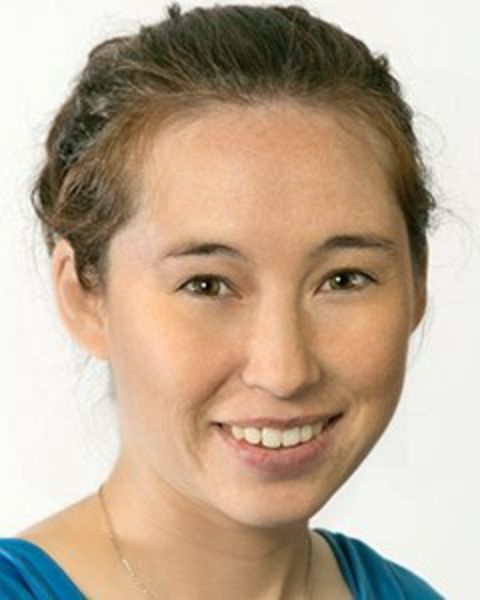
Abby L. Cheng, MD, MPHS (she/her/hers)
Assistant professor
Washington University in St. Louis
St. Louis, Missouri, United States
This convergent, mixed-methods, single-center study included a retrospective analysis of existing quantitative data from the electronic medical record, in addition to prospective collection and analysis of semi-structured interviews with a sociodemographically diverse group of adult patients who had varied engagement and clinical improvement related to participation in a musculoskeletal-oriented lifestyle medicine program housed in a tertiary care academic center.
Results:
Among 38 patients (median age 59 (range 31-74) years, 28 (74% women)), chronic pain and impaired mobility were common barriers to lifestyle change. Nevertheless, with instruction regarding how to move safely, increasing physical activity was also frequently described as patients’ most impactful lifestyle change. Patients reported a wide variety of effective facilitators and motivators for change, some of which were impacted by patients’ gender, childhood food culture, and other life circumstances. Patients with depression commonly described genuine clinician investment and accountability via the lifestyle medicine program as key facilitators. Patients nearly universally made at least one lifestyle change and perceived related clinical benefits, despite modest mean Patient-Reported Outcomes Measurement Information System (PROMIS) physical and mental health score changes, even among patients whose success was not perceived by the clinical team.
Conclusions:
Clinicians can support patients with chronic musculoskeletal pain in making lifestyle change by instructing them how to move safely, troubleshooting barriers using tailored strategies, and serving as a source of extrinsic support.