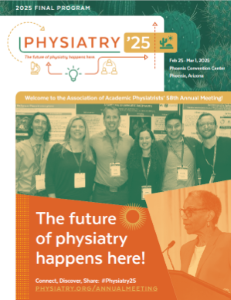
Xiaoyu “Norman” Pan, MD, PhD, MPH
Instructor
UT Southwestern Medical Center
Dallas, Texas, United States
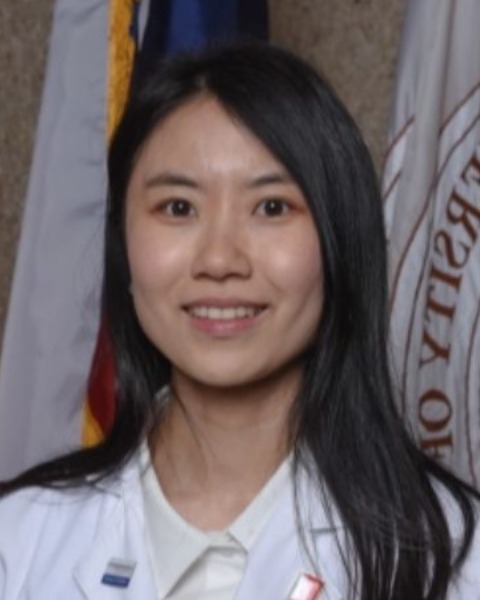
Eunyeop Kim, MD (she/her/hers)
PM&R Resident Physician
UT Southwestern Medical Center
Dallas, Texas, United States
Amber Newell, DO
Resident Physician PGY-1
UT Southwestern Medical Center
Dallas, Texas, United States
Neal Liang, MD
Resident Physician PGY-1
UT Southwestern Medical Center
Dallas, Texas, United States
Jan Moskowitz, MS
Licensed Clinical Social Worker
private practice
Los Angeles, California, United States
Nancy Lee, n/a
Researcher
Columbia University Medical Center
New York, New York, United States
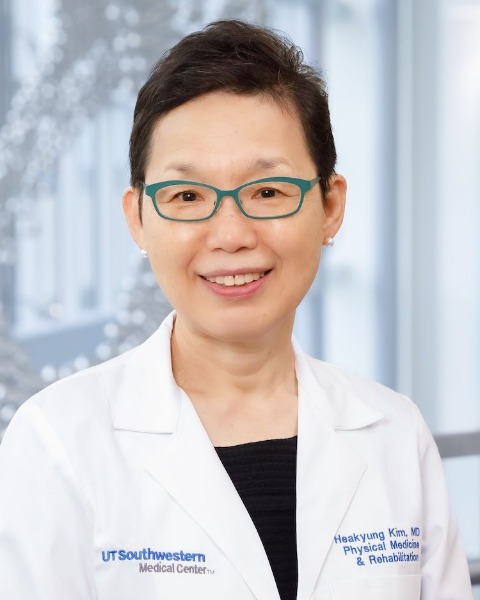
Heakyung Kim, MD (she/her/hers)
Department Chair and Professor of Department of PM&R, Distinguished Chair in Mobility Research
UT Southwestern Medical Center
Dallas, Texas, United States
Sexual health and intimacy are vital components of life that influence self-esteem and quality of life (QoL), yet these aspects are often overlooked in individuals with disabilities, particularly adults with cerebral palsy (CP). Our previous research highlighted the challenges faced by individuals with CP in intimacy, including physical limitations and the absence of tailored sex education. This study further investigates the relationship between sexual experience, self-esteem, and its subsequent effect on QoL in adults with CP.
Design:
This cross-sectional survey study collected data from 40 adults with CP, focusing on demographics, sexual history, self-esteem, and QoL, as measured by the Quality of Life Scale (QOLS). T-tests were used to compare QoL scores across groups based on their perception of the impact of sexual experiences on self-esteem.
Results:
A total of 40 respondents participated, with a mean age of 32.3 years (SD ± 9.3). Among them, 24 reported a history of sexual experience, with 12 (30%) believing their sexual experiences positively impacted their self-esteem and 10 (25%) reporting a negative impact. The mean QoL score for the entire cohort was 84.58 (SD ± 11.24). Compared to those who reported positive or neutral effects with a mean QoL score of 86.9, respondents who perceived a negative impact from their sexual experiences had significantly lower mean QoL score of 77.6 (95% CI: -17.26, -1.34; p = 0.023).
Conclusions:
This study reveals a strong link between negative sexual experiences and reduced QoL in adults with CP. Tailored interventions and proactive discussions by healthcare providers that can improve self-esteem and QoL should be considered. Physiatrists play a crucial role in this process by addressing physical limitations, initiating sexual health conversations, and facilitating patient-partner communication. Further research is needed to evaluate the long-term benefits and refine strategies for enhancing sexual health and well-being in this population.