Elsa Snider, MPH
Medical Student
KCOM-ATSU
BRENTWOOD, Missouri, United States
Christine Y. Gou, MD (she/her/hers)
Resident Physician
Barnes Jewish Hospital
St. Louis, Missouri, United States
Ling Chen, PhD
Assistant Professor of Biostatistics
Washington University in St. Louis
St. Louis, Missouri, United States
Adriana Martin, JD, MS
Senior Clinical Research Coordinator
Washington University in St. Louis
Creve Coeur, Missouri, United States
Katelyn E. Ito, BA
Student
Washington University in St. Louis
Redlands, California, United States
.jpg "Devyani Hunt, MD photo")
Devyani Hunt, MD
Professor of Orthopedic Surgery
Washington University in St. Louis
St. Louis, Missouri, United States
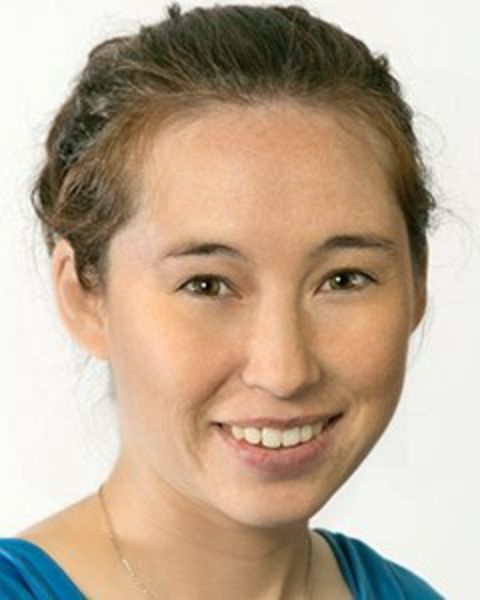
Abby L. Cheng, MD, MPHS (she/her/hers)
Assistant professor
Washington University in St. Louis
St. Louis, Missouri, United States
Despite growing interest in using lifestyle medicine to address chronic musculoskeletal pain, challenges remain in equitably and effectively delivering lifestyle-related interventions to this population. The objectives of the study were to identify program elements that impact the equitable and effective delivery of an intensive lifestyle medicine program for patients with chronic musculoskeletal pain and metabolic comorbidities. We hypothesized that patients with more social deprivation engage with proportionately greater group (versus individual) and telehealth (versus in-person) programming.
Design:
This convergent, mixed-methods, single-center study included a retrospective analysis of existing electronic medical record data (n=205), in addition to prospective collection and analysis of semi-structured interviews (n=38) with adult patients who had varied engagement and clinical improvement related to participation in a musculoskeletal-oriented lifestyle medicine program. Logistic regression tested whether patients’ level of social deprivation (operationalized as national Area Deprivation Index (ADI) percentile) is associated with their method of program engagement.
Results:
Among 205 patients (median [IQR] age 60 [50-67] years, 169 (82%) female, 145 (71%) White race), worse social deprivation was associated with an increased proportion of engagement via group (compared to individual) visits (OR 1.13 per 10-unit increase in national ADI percentile [95% CI 1.07 to 1.20] P< 0.001) and via telehealth (compared to in-person) visits (OR 1.13 [1.07 to 1.20], P< 0.001). Patient-perceived keys for successful lifestyle change included the program’s holistic, interprofessional, goal-oriented approach and the genuine kindness and personal investment by knowledgeable program clinicians. Some patients requested long-term periodic program check-ins to facilitate maintenance of lifestyle changes. Improved insurance coverage, clinic expansion to multiple sites, and after-hours programming would improve access for some patients.
Conclusions:
Group visits (using Shared Medical Appointments) and telehealth visits improve equitable access to lifestyle medicine instruction. Patient-perceived genuine clinician investment in their efforts for lifestyle changes is critical to patient success.